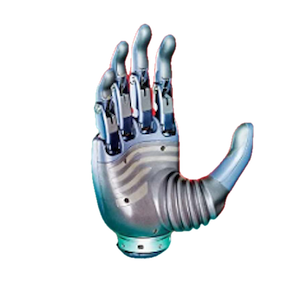
Motion, MotionHandle, and ServoSession
SDK 2.3.0 adds get_control_mode(), set_control_mode(), and HandControlMode for whole-hand mode selection on supporting firmware. See the whole-hand mode guide for the distinction from existing MIT commands and handling of older firmware.
Target motion includes move_to(), move_joint(), move_finger() / flex_finger(), and move_thumb(). Parameters can include duration, speed, gains, and time step as allowed by each versioned signature.
MotionHandle provides bounded waiting, cancellation, state, and error access. A returned handle does not imply completion.
open_servo() creates an application-driven ServoSession. send_position(), send_velocity(), send_current(), send_impedance(), and send_mit() all accept complete hand frames whose array lengths equal the active layout's joint count. The SDK does not provide joint-, finger-, or thumb-only streaming methods that implicitly retain other targets. start_servo_drag() is SDK-managed drag control and must not overlap with another owner of motion control.
Teaching records trajectories; replay sends them back after the application verifies layout compatibility and range. See the motion guide for operation and recovery rules.
SDK 2.1.2 also provides full-hand and scoped single-command set_* controls, distinct from Servo streaming. See the single-command guide for capabilities, units, and stopping semantics.